What if your software vendor wanted you to use their product more? In the CFD world, it’s actually quite a novel idea as historically, the pricing models have done the opposite – quietly penalising engineers for doing more, exploring further, and pushing harder.
Here’s a brief history of CFD licensing and why at Zenotech, we do it differently.
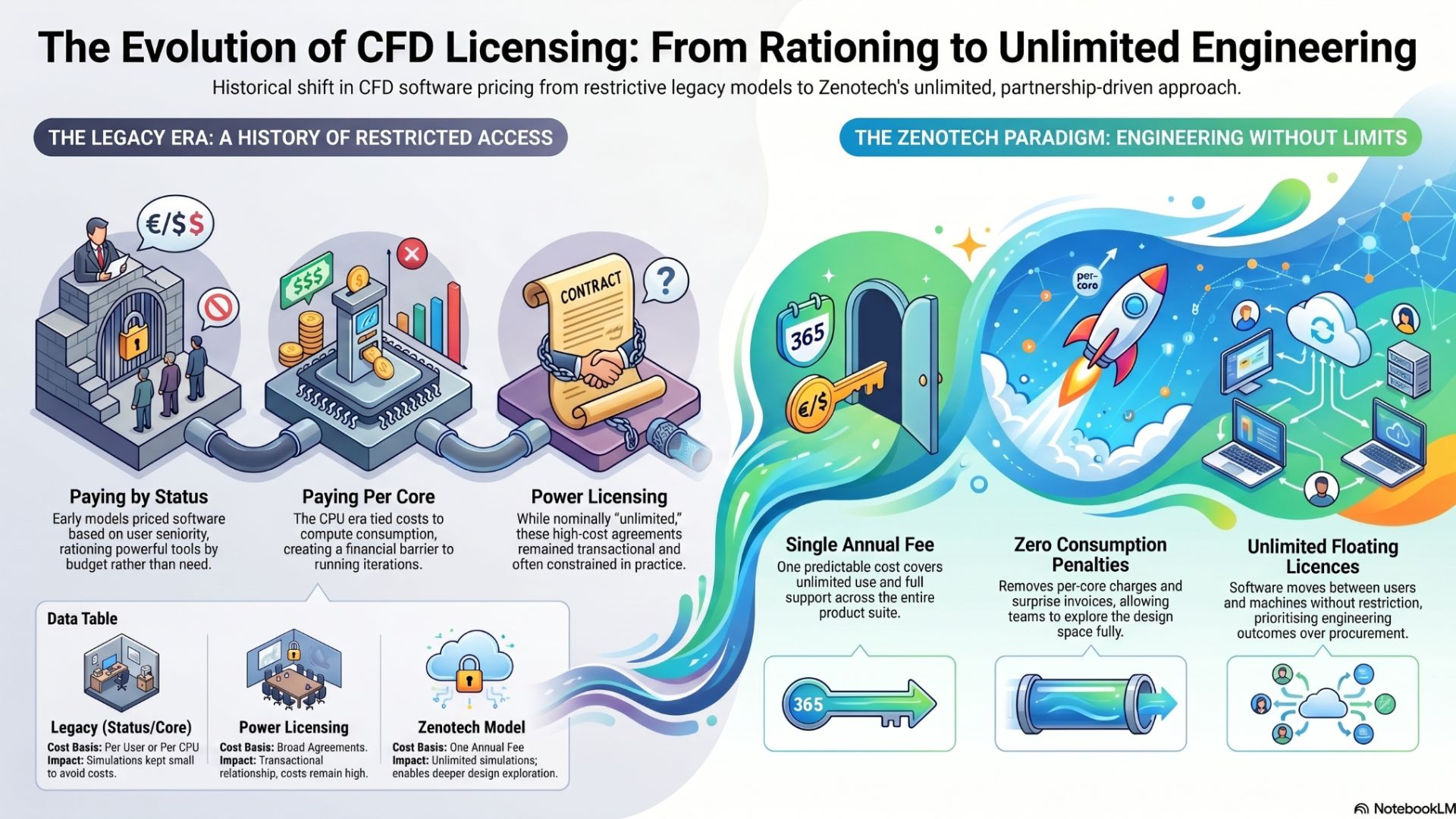
Paying by status
In the early years of commercial CFD, pricing was pitched at the average value of the people using the software. Premium tools were priced to reflect the seniority of their users, priced at roughly the annual cost of the senior engineers using them.
The logic with this niche model was that the more senior engineer would unlock more value and therefore the company could afford it. But this relatively high cost also meant that access to the most powerful simulation tools was rationed by budget rather than need. Smaller teams or organisations in constrained sectors often found themselves locked out.
The hardware era: paying per core
As computing power grew, so did the cost of running it. The industry pivoted to a new strategy: you should pay for the compute you consume. CPU-based licensing became the dominant model. Run your simulation across 16 cores? You’re paying for 16 licences. Scale up to 64? Then your invoice will scale accordingly.
Many vendors built significant commercial empires based on this model. Computational resource was scarce and expensive, and tying costs to consumption had a certain fairness to it.
As HPC infrastructure matured and cloud computing arrived, the cost of compute reduced. The marginal cost of running a larger simulation fell dramatically. Yet licence fees didn’t follow. Instead, they became a barrier, a mechanism that penalised engineers for doing more, running more iterations, exploring more design space.
The concern here is that simulations could be kept smaller than they needed to be and the outputs confined.
The power licensing era: unlimited in name, constrained in practice
The industry’s answer was power licensing: broad, unlimited-use agreements that promised engineers the freedom to run what they needed. In principle, this was progress, but in practice, costs remained high and the vendor-client relationship stayed “transactional”. Vendors who had built revenues on consumption models were essentially betting against their own customers using the tools fully.
What happens when the model turns against users
There can be a tipping point with tech products where commodification devalues the product’s core purpose. First, it is genuinely useful, fairly priced, and designed around the user. Then, as the company matures and investor pressure mounts, value quietly shifts away from users and toward shareholders. This can mean that features get paywalled, prices creep up, and those initial genuine benefits get lost. (The Macquarie Word of the Year 2024 sums up this process neatly.)
CFD software has followed its own version of this arc. Tools that were once genuinely transformative became incumbents protecting revenue. Engineers are no different from any other user who has watched a tool they trusted turn against them, and they will start to look for something else.
The Zenotech approach: we want you to use it more
Zenotech was built on a different set of values, rooted in the belief that good engineering should be enabled, not rationed. Across our products, our licensing model is the same: one annual fee that covers unlimited use and full support:
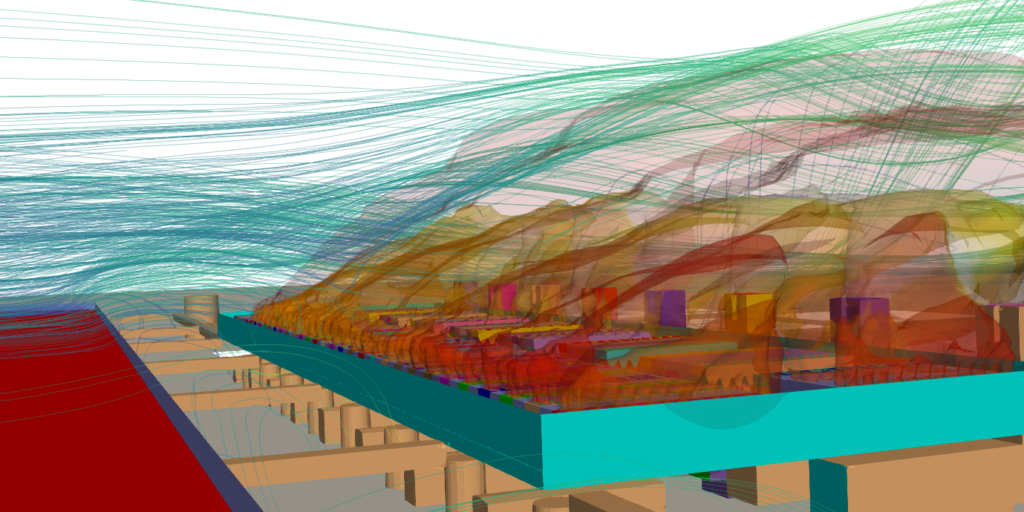
- zCFD, our GPU-accelerated CFD solver
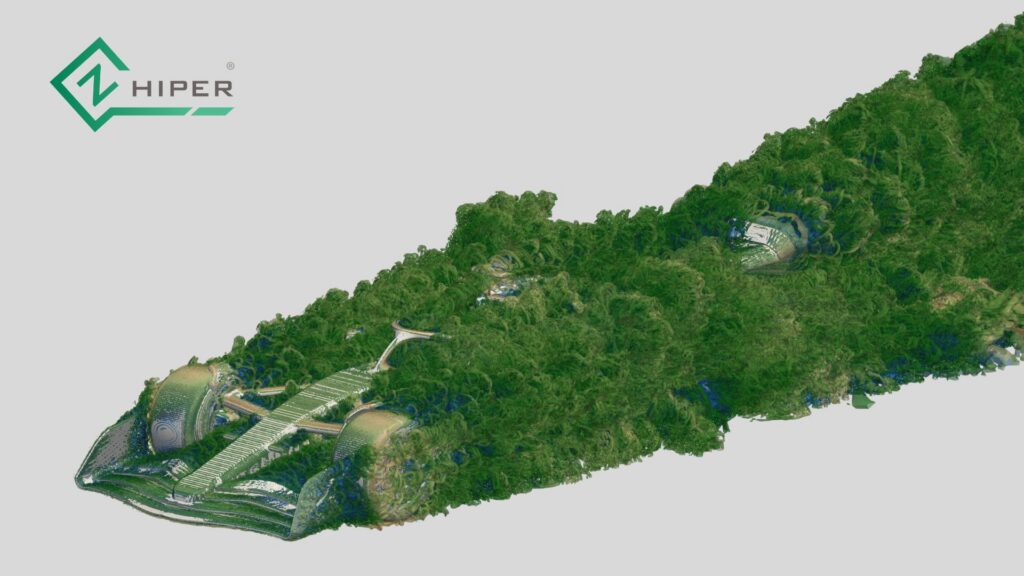
- HiPer, our high-performance meshing tool
- Epic Lite – coming soon…
The licensing of our software means there are:
- No per-core charges.
- No consumption penalties.
- No surprise invoices when a project demands more compute than expected.
We know what our software costs to run, we know it doesn’t cost more when you use it more. So why would we charge you more? In fact, we want you to use it more.
In industry terms, this is closest to an unlimited floating licence – the software moves between users and machines without restriction – combined with feature-based access depending on which tools a team needs.
Every additional simulation run is an opportunity for you to explore further, for your team to learn more, and for us to understand how our tools perform in the real world. The feedback we receive from clients running complex, demanding workloads is what drives our product development. It’s how we continuously improve our products.
Partnership, not procurement
At Zenotech, partnership is not just a value statement – it’s built into how the work actually happens. We’re genuinely curious about the problems our clients are solving, in aerospace, defence, automotive, energy, and beyond. When a client pushes our tools into new territory or asks ‘what if it could do this?’ – that’s not just a support ticket. It’s the kind of collaboration that drives the best engineering outcomes.
Our licensing model exists to enable that relationship, not extract value from it. An annual fee covering unlimited use and full support means our clients are never holding back a simulation run because of what it might cost.
We’ve chosen a different path because we believe the engineering community deserves better – and because the best product feedback comes from clients who are using your software fully. That’s our model and our mission and we won’t be changing it.
Zenotech’s suite of CFD tools are available on annual unlimited-use licences, including full support.
- Like the sound of our licensing model? Get in touch about your next project.
- Epic Lite – our accessible simulation environment – is coming soon. Be the first to hear when it launches – sign up to our newsletter here.